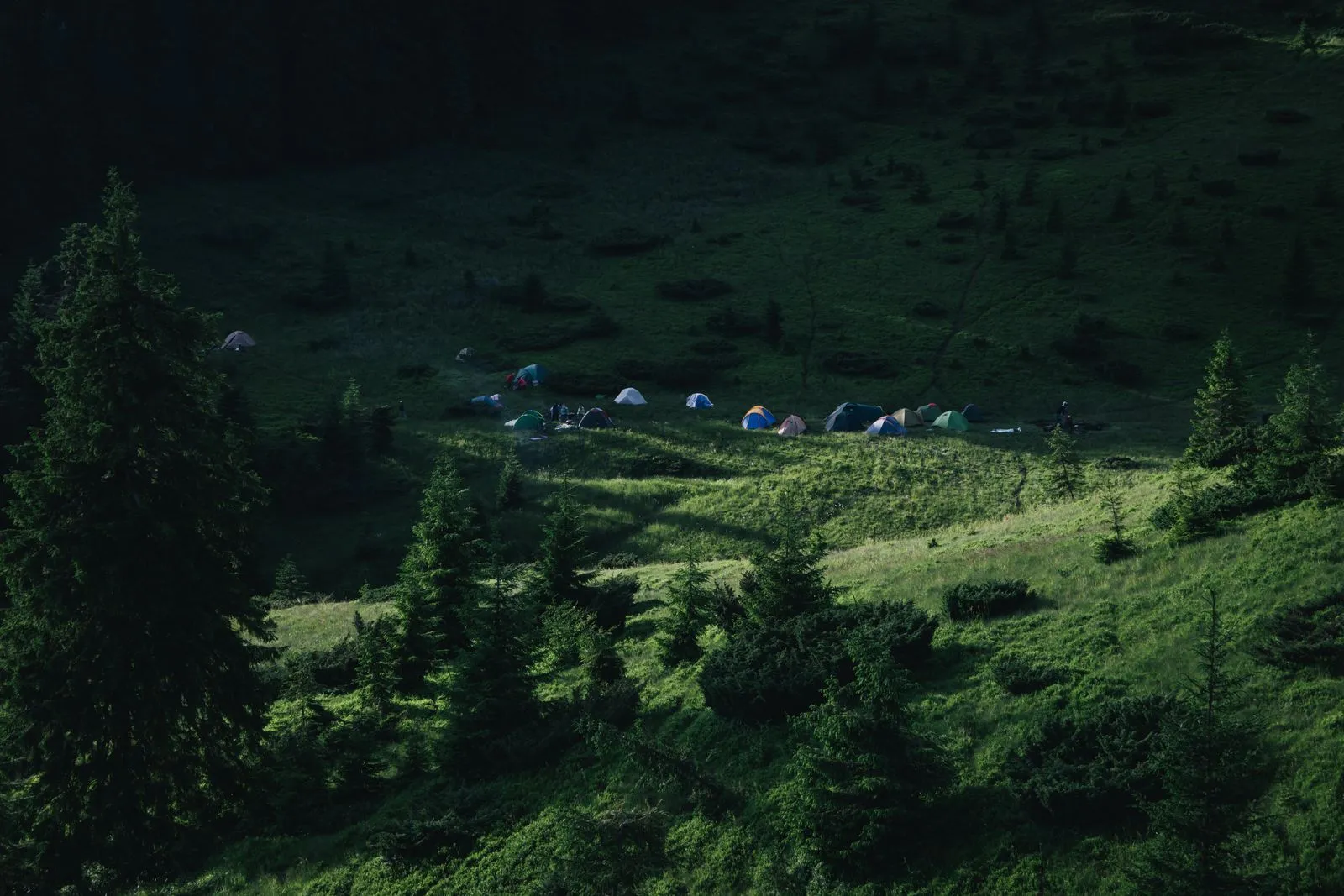
The right campsite makes it easier to settle in, sleep comfortably, and enjoy the activities you planned. Start by matching the site to your shelter and vehicle, then check which amenities and access conditions matter for your trip. A quick review of these details can prevent surprises, such as arriving with a tent that does not fit or finding that a needed water hookup is unavailable. Use the following checklist before you reserve.
Match the Site to Your Setup
Check the site’s listed dimensions and surface before booking. Tent campers may prefer level ground with enough room for the tent, a vehicle, and space to move around. RV and trailer travelers should confirm that the site accommodates the rig’s total length, including any tow vehicle, and whether it offers a pull-through or back-in layout.
Think about shade, slope, and ground conditions, too. A shaded site can offer relief on a warm day, while a level area makes pitching a tent or stabilizing an RV simpler. If the listing does not explain the surface or layout, contact the campground and ask for details rather than guessing from a photo.
Choose Amenities You’ll Use
Make a short list of must-have amenities before comparing sites. Depending on your plans, you may need potable water, electrical service, a dump station, restrooms, showers, or a picnic table. Confirm whether a feature is at the individual site or shared elsewhere in the campground, and check any stated limits on electrical connections.
Balance convenience with how you want to camp. If you plan to cook over a camp stove and spend most of the day outdoors, a simple site may be enough. If you are traveling with young children or staying several nights, nearby restrooms, showers, and easy access to drinking water may matter more. Verify what is available during your travel dates.
Check Access and Surroundings
Review the route to the campground as well as the campsite itself. Narrow roads, steep grades, low-clearance areas, or tight turns can be difficult for larger vehicles. Look for posted access guidance, check your vehicle’s clearance and length, and call ahead if the route description is unclear.
Consider what is near the site and how much activity you expect. A spot close to restrooms or shared facilities can save steps, but it may also have more foot traffic. Sites near roads, entrances, or gathering areas can be less quiet. If privacy, a view, or quick access to a trail is important, ask about the site’s location and surroundings.
Fit the Site to Your Trip
For a one-night stop, prioritize easy arrival, a suitable place to sleep, and the facilities you need that evening. For a longer stay, comfort becomes more important: consider shade, room to relax, water and power access, and how far you will need to walk to shared amenities. A site that works for a quick overnight may feel less convenient over several days.
Before booking, compare the site rules and reservation details with your plans. Check arrival and departure times, minimum-stay requirements, cancellation terms, pet policies, and any restrictions on fires or generators. Keep your confirmation handy, and contact the campground if your rig, group size, or equipment does not clearly fit the listing.
A good campsite fits your shelter, vehicle, comfort needs, and schedule—not just the destination on your map. Confirm dimensions, amenities, road access, and rules before reserving, especially if you have a large rig or need a specific hookup. With those details settled, you can arrive prepared and focus on enjoying your trip.